
Viper Royale features and rewards: a plain guide for first-time players
What stands out in skill games like this one
Skill games offered at online casinos share a handful of traits that set them apart from slots and table games. Understanding these traits helps you read the game’s rules with the right questions in mind. Below is how games of this kind usually work; whether a particular element exists in Viper Royale is something to confirm in the game’s own rules and at the casino where you play.
- Skill over chance. In a skill game, the outcome depends largely on your decisions, reactions and practice rather than on a random draw. That does not remove the possibility of losing: a better player can still lose a match, and a real-money stake can always be lost.
- Matches against other people. Many such games pair you with real opponents instead of a machine. Matchmaking usually tries to group players of similar standing, though how it works differs from game to game and is described in the rules.
- Several modes. Games of this type often offer practice or free modes alongside real-money modes, and sometimes separate formats for single matches and for tournaments. Practice modes are useful for learning the controls without a stake on the line.
- Progression. Some games track your activity over time with levels, ranks or unlockable items. Progression is typically cosmetic or tied to matchmaking, but check whether any progress affects real-money terms.
- Visual design and feedback. Clear graphics, readable interfaces and animated feedback make a fast game easier to follow. Take a few minutes to learn what each on-screen element means before you play with a stake.
- Stakes you choose. Casinos generally let you pick from the stakes the game allows. Choose a stake you can afford to lose, and treat it as the price of entertainment rather than an investment.
- Rules set by the operator. The game’s rules, the casino’s terms and the payout conditions are separate documents. The rules explain how a match works; the casino’s terms explain deposits, withdrawals and promotions.
Before your first real-money match, read the game’s rules page from start to finish, try any practice mode on offer, and confirm the minimum age requirement. This page and everything on this site is for adults aged 18 and over. If you have questions that this guide does not answer, the Questions and answers page is a sensible next stop.

Rewards and promotions: how they usually work
Casinos that offer skill games often surround them with promotions designed to attract and keep players. These are marketing tools run by the casino, not features built into the game itself, so their form, availability and conditions can change at any time. The overview below describes how such offers usually work in general; for the actual details you need the casino’s promotions page and its terms.
- Prize tournaments. A tournament groups players into a timed competition, and prizes are typically awarded by final position on a leaderboard. Entry may be free or require a stake. Read how positions are calculated, since the scoring method decides who is rewarded.
- Free entries. Some casinos hand out entries to tournaments or practice events without a charge. A free entry usually still follows the same rules as a paid one, including limits on who can claim a prize.
- A Viper Royale bonus from the casino. Any bonus linked to a skill game comes from the casino, not from an independent source. It may take the form of bonus funds, extra entries or a similar credit. Such offers normally carry conditions about how the bonus can be used and when it can be withdrawn.
- Loyalty and ranking schemes. Casinos sometimes reward regular activity with points, tiers or small perks. Read what counts as qualifying activity and whether points can expire.
- Seasonal or limited-time events. Special events appear and disappear. Do not assume an offer you saw once will return in the same form.
- Referral offers. Some casinos reward players who bring friends. These usually come with identity checks and other conditions on both sides.
Two cautions apply to every reward of this kind. First, a promotion is not a promise of income: prizes go to a limited number of participants, and most entrants will not receive one. Second, a bonus is not free money in the plain sense, because conditions attach to it. Treat rewards as an optional extra and never as a reason to stake more than you intended. If a promotion pushes you to play longer or spend more than planned, that is a good moment to step back.
What to read in the terms before joining a promotion
- Check who can take partStart with eligibility. Promotions usually limit participation by age, by country or region, and by account status. You must be 18 or older, and some casinos set a higher age for certain jurisdictions. Look for rules about one account per person and about whether you must verify your identity before a prize can be paid. If you do not meet the conditions, entering is pointless, and any prize can be withheld.
- Look at the time limitsEvery promotion has a window. Find out when it opens and closes, whether there is a deadline to claim a reward after it is awarded, and how long any bonus stays valid before it expires. Time zones can matter as well, so confirm which clock the casino uses. Missing a deadline commonly means losing the reward entirely.
- Understand the wagering conditionsWagering, sometimes called a playthrough requirement, is the amount you must stake before bonus funds or winnings linked to them can be withdrawn. Read how it is calculated, which games count toward it and whether skill games count in full or only in part. Also check whether a stake limit applies while a bonus is active, since exceeding it can void the bonus. Do not skip this step: it is where most misunderstandings begin.
- Review how prizes are awarded and paidFind out how winners are decided, whether by leaderboard position, a draw or another method, and how prizes are delivered. Some are paid as cash, others as bonus funds with their own conditions. Check withdrawal limits, processing times and whether verification is required first. The method of payment can also affect eligibility.
- Note the exclusions and the right to change termsLook for clauses that exclude certain players, payment methods or behaviour, and for the casino's right to amend or cancel a promotion. Pay attention to what the casino counts as abuse, such as multiple accounts or collusion between players, because penalties can include forfeited prizes. Save or screenshot the terms as they stand on the day you join.
- Decide whether it fits how you want to playAfter reading, ask yourself plainly whether the promotion changes how you would otherwise play. If meeting the conditions means staking more than you planned, or playing for longer than is comfortable, it is better to skip it. Set a limit in advance and stay within it. If gambling stops being enjoyable, free support is available, for example from Gambling Therapy, Gamblers Anonymous and, for family and friends, Gam-Anon.
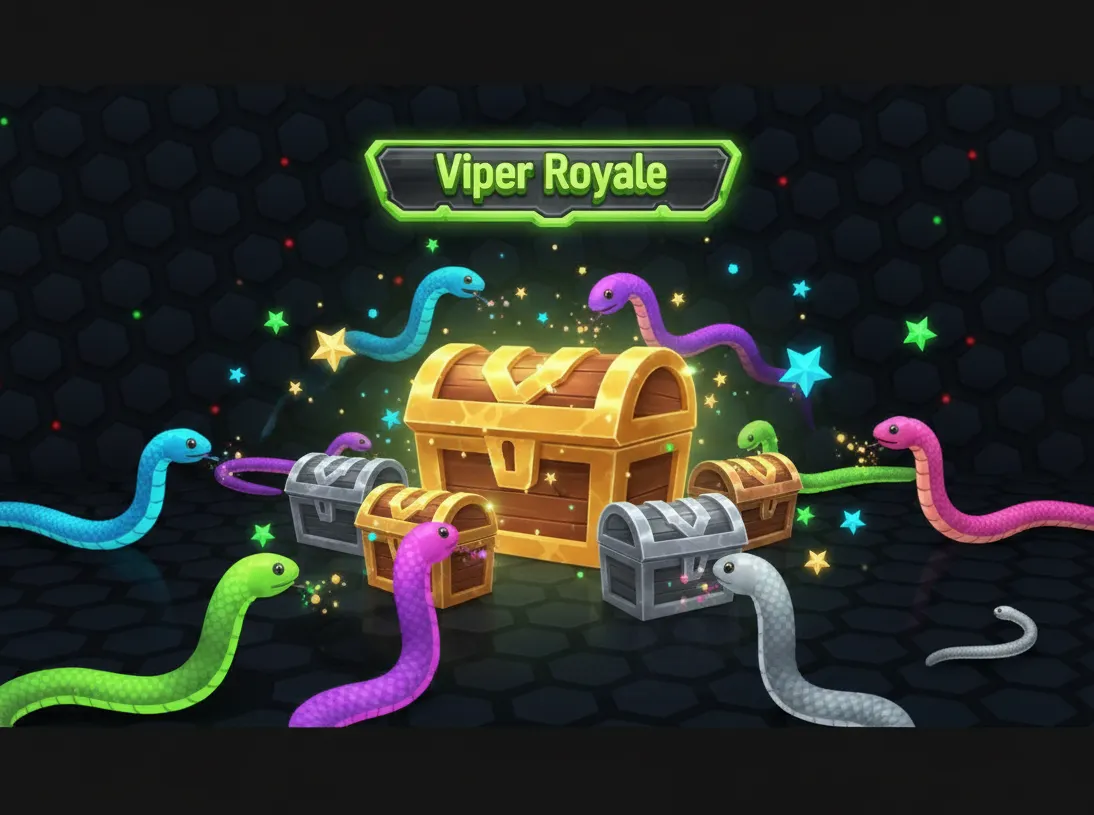
Playing against other people
Part of the appeal of a skill game is that you are measured against real opponents rather than a random number generator. At online casinos, games built around player-versus-player play usually place you in a match with other people, either one-on-one or in a group. How matches are formed, how long they last and how the result is decided are all described in the game’s rules, so read them before you stake anything. Understanding the format in advance removes most of the confusion that new players feel in a first match.
Some games of this kind add a social layer. Teams are one example: you may be able to join or form a group and compete together, with results counted jointly. Where teams exist, the rules typically explain how members are chosen, how rewards are shared and what happens if a teammate leaves mid-match. Treat any arrangement with other players carefully, and remember that agreeing with others to influence results is generally prohibited by casino terms and can lead to forfeited prizes or a closed account.
Chat is another common feature. It lets players exchange short messages during or between matches, which can make the experience friendlier. It also brings risks that are worth keeping in mind. Do not share personal details, account information or payment data with anyone, no matter how friendly they seem. Be wary of players who offer tips in exchange for money, promise results or ask you to move the conversation elsewhere. Casinos usually provide ways to mute or report other players, and using them is sensible.
Some games also let you watch other matches, sometimes called spectating. Watching can be a useful way to learn how experienced players handle situations, how a match flows and what the interface shows at each stage, all without a stake of your own. Whether spectating exists in a given game, and whether it works live or with a delay, is a point to confirm in the rules or with the casino.
A final word on the human side of competitive play. Opponents are real people with their own skill levels, and a better player will often win more over time, which means a newcomer can expect to lose matches while learning. That is normal, and it is a good reason to use any practice mode first and to keep stakes at a level you can afford to lose. Play only if you are 18 or older, set a time and spending limit before you start, and stop when the game stops being enjoyable. A skill game is entertainment, and no result is ever certain.